
Editing guide
Best Film Settings for Quiet Morning Photos on iPhone
A practical quiet-morning film recipe for iPhone: soft highlights, calm color, restrained grain, and enough fade to make early-day photos feel intimate instead of flat.
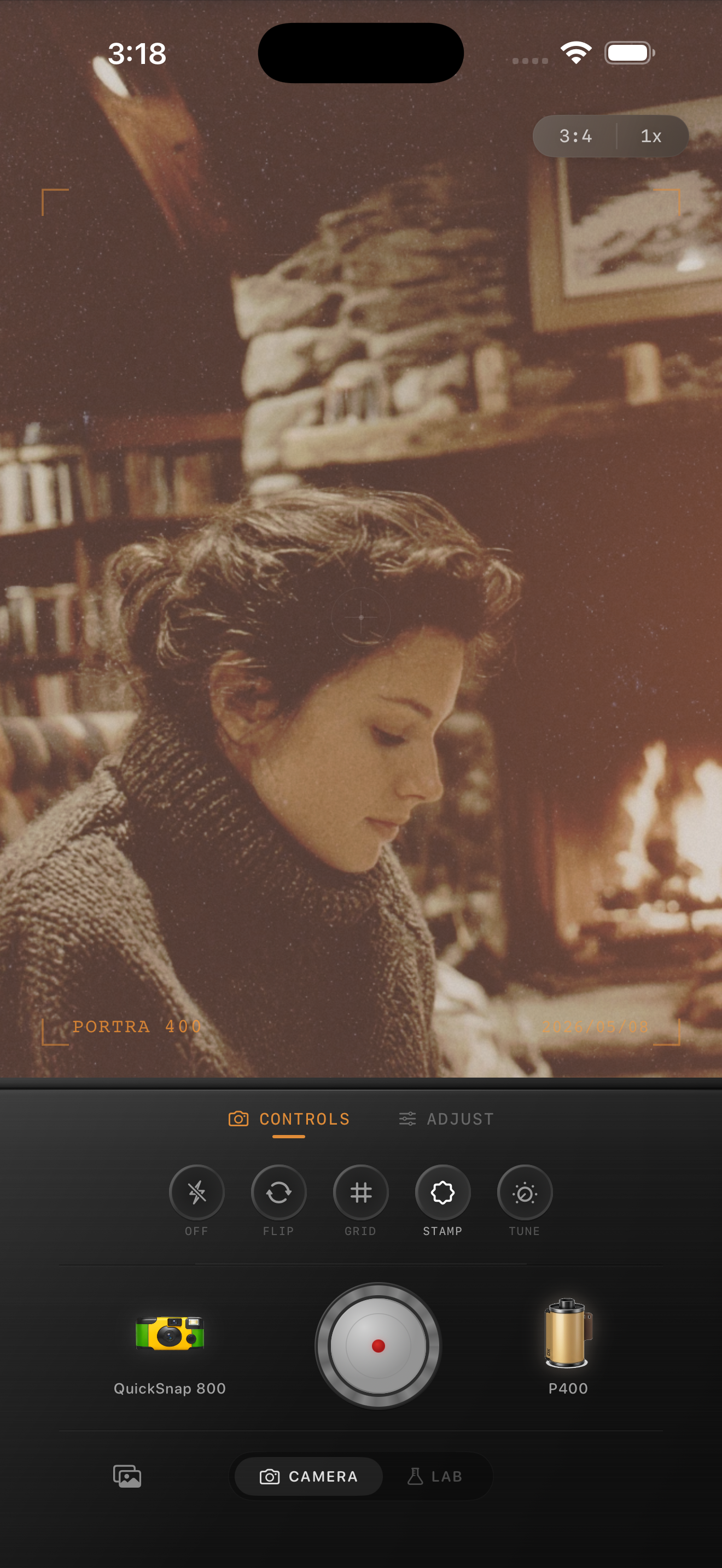
Morning photos should feel calm, not washed out
Quiet morning photos usually depend on soft window light, pale highlights, blankets, pages, coffee, or a still room. A film-style edit should preserve that calm without making the whole frame gray or lifeless.
The mistake most people make is chasing mood by adding too much fade. Early-day scenes can handle some lifted shadows, but they still need shape in faces, fabric, and bright details like mugs, paper, or windows.
- Protect pale highlights before adding more warmth.
- Use gentle grain so the scene feels tactile, not noisy.
- Keep color quiet and slightly warm, not orange.
- Let shadows stay soft instead of flat.
- Use very light vignette because the scene already has natural intimacy.
A reliable quiet-morning settings recipe
Start around film intensity 66-80%, grain 18-30%, warmth +4 to +10, fade 5-9%, and vignette 2-6%. That range usually gives enough analog character to calm the iPhone file without turning the image muddy.
If the room already has warm lamp light, lower warmth and rely more on softness. If the photo is mostly cool daylight, a small warmth move helps it feel printed instead of clinical.
Judge the edit from paper, skin, and fabric
Quiet interiors usually contain delicate reference points: skin, white pages, blankets, steam, or pale walls. If those turn yellow, crunchy, or gray, the whole scene stops feeling believable.
Once those details look natural, you can let the rest of the frame stay subdued. That is usually what makes early-day photos feel more like a memory than a processed preset.
Use a cleaner camera body for still scenes
Most quiet morning photos work better with a balanced 35mm-inspired or everyday compact-film body than with a rough disposable treatment. The mood comes from softness and restraint, not from loud dust, flash, or edge damage.
In Nostalgia Cam, choose the cleaner camera mood first, then tune grain, warmth, fade, and vignette until the image feels intimate and naturally film-inspired.
Make quiet morning photos feel like small prints
Use Nostalgia Cam to shoot or import early-day photos, then balance camera body, grain, warmth, fade, and vignette so calm interiors and soft window light feel intimate, textured, and naturally film-inspired.
FAQ
How much grain should quiet morning photos use?
Usually a restrained amount. Start around 18-30% so the photo gains texture without losing the soft, calm feeling that makes morning light work.
Why do soft morning edits go flat so easily?
Because too much fade removes the shape from highlights and fabric. A better film edit usually uses moderate fade, subtle warmth, and gentle grain instead of lifting everything equally.