
Editing guide
How to Edit iPhone Thanksgiving Leftovers Photos to Look Like Film Without Yellow Kitchen Lights
A practical iPhone film-editing guide for Thanksgiving leftovers: keep food color believable, contain yellow kitchen light, protect window detail, and add texture without making the table look muddy.
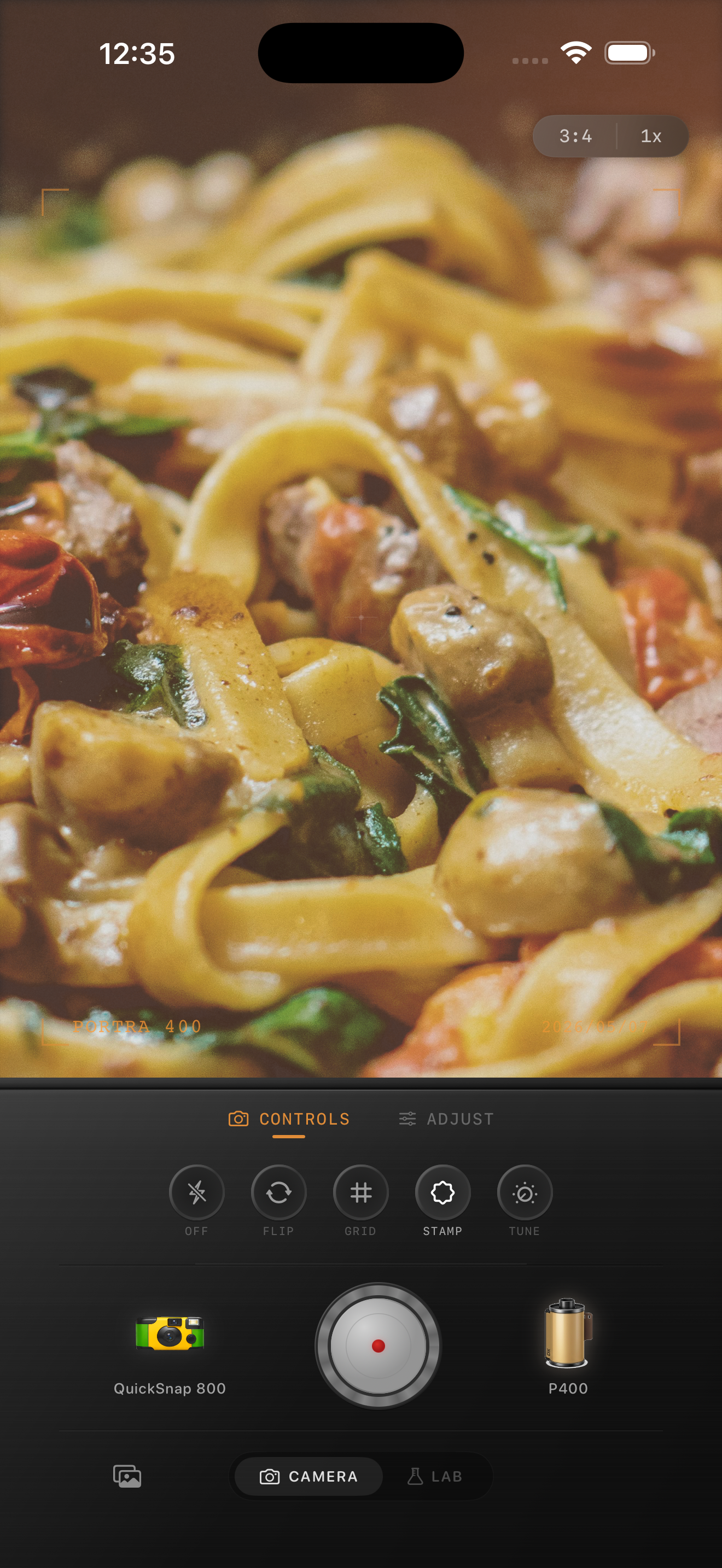
Let the food look warm, not yellow
Thanksgiving leftovers are often photographed in the hardest possible light: a warm kitchen ceiling light, a little window daylight, reflective plates, and food that is already brown, orange, cream, and gold. The point is not to neutralize every warm tone. It is to stop the whole frame from taking on the same yellow cast.
Before applying a film look, pick one useful anchor: turkey or mashed potatoes should stay recognizable, cranberry sauce should keep some red, and white plates or napkins should not look beige. Those small checks make the final photo feel like a remembered meal instead of an overly warm filter.
- Keep whites and cream-colored food from turning mustard yellow.
- Let roasted vegetables and pie stay warm without becoming orange.
- Protect a little window or counter highlight when it is available.
- Use grain after the food color already feels believable.
Start with a calm film settings baseline
Start around film intensity 70-82%, grain 18-30%, warmth +2 to +7, fade 4-8%, and vignette 2-6%. This is enough to soften the clean iPhone finish and add a printed feeling without making gravy, shadows, and darker dishes collapse into one brown mass.
If the kitchen is very yellow, lower warmth before you lower film intensity. That keeps the softer contrast and texture you wanted while giving plates, hands, and lighter food a chance to stay clean. If the scene has window daylight, keep a touch of its cooler tone; warm-and-cool separation usually feels more natural than forcing the room into one color.
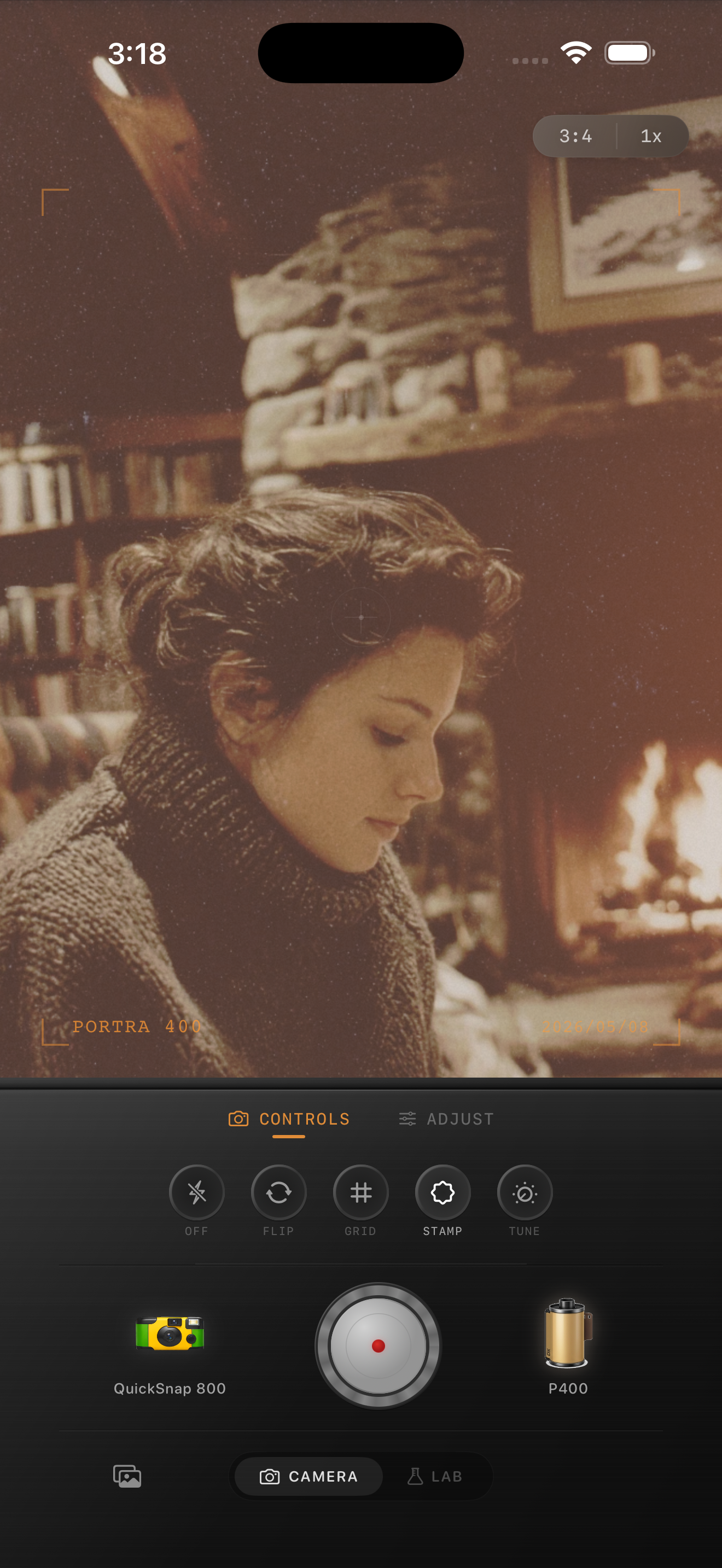
Make the leftovers feel like the point of the photo
A leftovers photo does not need perfect styling. A half-covered casserole, a stack of plates, a fork in the frame, or someone making a late-night sandwich can make the image feel more personal than a carefully staged overhead shot. Frame one main dish or one small action first, then let the rest of the kitchen fall away naturally.
Avoid pushing texture into every shiny surface. Check steam, gravy, foil, and plate edges at normal phone size. If those details still look appetizing and the people in the background remain recognizable, the grain is helping. If everything looks sandy or oily, pull it back.
Finish with a memory, not a preset
For quiet kitchen moments, a cleaner compact-film or 35mm-inspired camera body is usually a better starting point than a rough disposable effect. The room already has plenty of visual texture from serving dishes, food, and warm light. A calmer camera mood leaves room for the little details that make the photo worth keeping.
In Nostalgia Cam, choose the camera body first, then refine grain, warmth, fade, and vignette. Save a version, view it away from the sliders, and make sure the food still looks like food before deciding the softer, film-inspired version is finished.
Keep the late-night kitchen feeling in Nostalgia Cam
Import your Thanksgiving leftovers photos into the Nostalgia Cam Lab, compare camera bodies and film looks at moderate intensity, then tune warmth, grain, fade, and vignette until the food, light, and people still feel like the same meal.
FAQ
Why do my Thanksgiving leftovers photos look so yellow on iPhone?
Warm kitchen bulbs, wood surfaces, and naturally warm food colors can stack together quickly. Lowering warmth slightly while keeping softer contrast usually works better than making the whole photo cool.
Should food photos use a lot of film grain?
Usually no. Fine-to-moderate grain can make an iPhone photo feel less clinical, but heavy texture can make food look sandy and make foil, steam, and sauces look messy.
How can I keep kitchen light warm without making skin look yellow?
Keep the warmth in the lamps, wood, and food, then judge faces and white plates separately. If those neutral details turn yellow, reduce warmth before adding more fade or grain.